
Emergency Tree Removal in Grand Ledge, MI
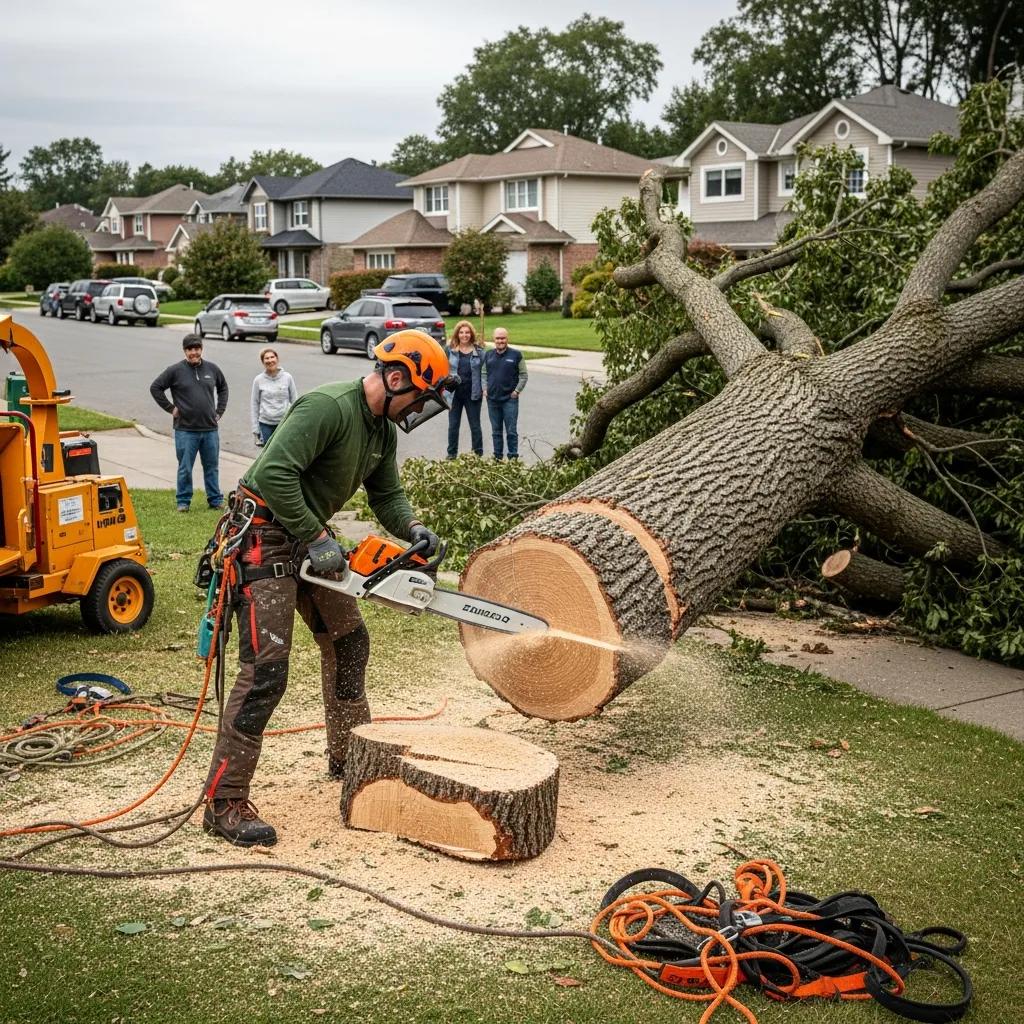
24-Hour Emergency Tree Removal in Grand Ledge, MI: Fast, Licensed Urgent Tree Service
When damaged or fallen trees threaten people and property, quick, professional action matters. In Grand Ledge, MI, 24-hour emergency tree removal keeps homes and streets safe after storms or unexpected failures. Below we explain how emergency crews operate, typical response times, how to spot urgent hazards, permit and cost basics, and the related services that help restore your yard after an emergency.
The goal of this guide is practical: help homeowners and property managers recognize true emergencies, know what to expect from licensed crews, and prepare for the immediate and follow-up steps after a removal. We emphasize safety, clear communication with crews and authorities, efficient cleanup, and options for minimizing environmental impact while restoring your landscape.
How does our 24/7 emergency tree removal service operate in Grand Ledge?
Our 24/7 emergency team is ready to respond whenever a tree situation becomes dangerous. When you call, trained staff quickly assess the hazard, prioritize safety, and send the right crew and equipment. Teams follow clear protocols—rapid assessment, secure the scene, and remove the hazard—so work is done safely and efficiently at any hour.
On the phone, operators typically ask for location details, the nature of the hazard (for example, whether the tree is leaning on a house, blocking a roadway, or contacting power lines), and whether anyone is injured. Based on that information, the dispatcher will determine crew size and the type of equipment to send: smaller teams with chainsaws and a chipper for simpler jobs, or larger teams with cranes, bucket trucks, and rigging gear for complex removals.
Crews arriving onsite set up safety zones, place traffic controls if needed, and perform a quick but thorough hazard reassessment before cutting. Roles are coordinated: a ground crew secures the perimeter and operates the chipper, climbers make strategic cuts and rig sections, and a supervisor monitors safety and communicates with the homeowner. This organized approach reduces confusion and keeps the removal efficient—particularly important when working at night or during ongoing severe weather.
What is the typical response time for urgent tree cutting in Grand Ledge?
Response times depend on factors like time of day and severity, but most emergency calls are handled within 30 minutes to one hour. Weather, traffic, and available crews can affect timing. Fast arrival reduces the chance of more damage and helps protect people nearby.
Response can be faster in densely populated parts of Grand Ledge where crews are already working nearby, and somewhat longer for remote or harder-to-access properties. At night or during a major storm event, crews may triage calls and prioritize immediate threats to life, homes, and critical infrastructure, which can affect individual arrival times. When you call, ask the provider for an estimated arrival window so you can plan and keep clear of the area until the crew arrives.
Who are the licensed arborists providing emergency tree services locally?
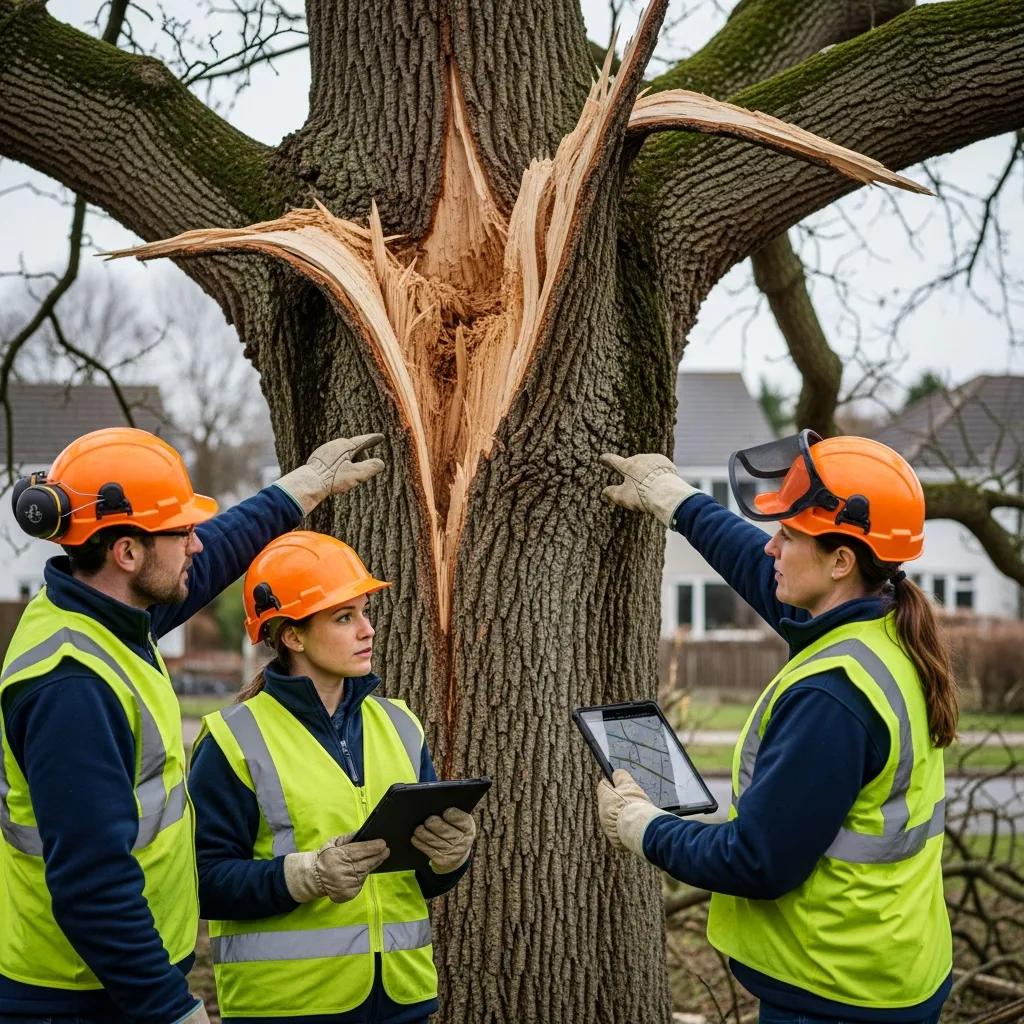
Local licensed arborists bring training and certified experience to emergency work. They can accurately assess tree hazards, choose the safest removal method, and carry out the job with proper equipment. Hiring licensed professionals reduces risk and helps ensure the work meets local standards.
When choosing a provider, confirm they carry current liability insurance and workers’ compensation to protect you and the crew in case of accidents. Ask about their experience with emergency removals, what safety procedures they follow, and whether they provide written estimates after an initial site assessment. A reputable arborist will explain their process clearly, outline potential risks, and provide references from recent emergency jobs performed in the area.
What are the signs that indicate you need emergency tree removal?
Knowing the warning signs helps you act before a tree causes harm. Look for:
- Leaning Trees: A sudden or severe lean increases the chance a tree will fall, especially in strong winds.
- Cracked or Splitting Trunks: Large cracks or splits weaken the trunk and can signal imminent failure.
- Dead or Dying Branches: Dead limbs can fall without warning and are a clear hazard.
- Root Damage: Exposed, torn, or heaved roots make a tree unstable and more likely to collapse.
Spotting these early lets you call for emergency help before damage gets worse.
Other signs that warrant close attention include sudden canopy loss after an impact, heavy lean that develops over days rather than years, or soil heaving near the base of a tree. If you notice rapid change—new cracks, a splitting sound, or fresh soil displacement—treat the situation as urgent and keep people away from the tree until a licensed arborist can evaluate it.
How to identify storm damage requiring immediate tree removal?
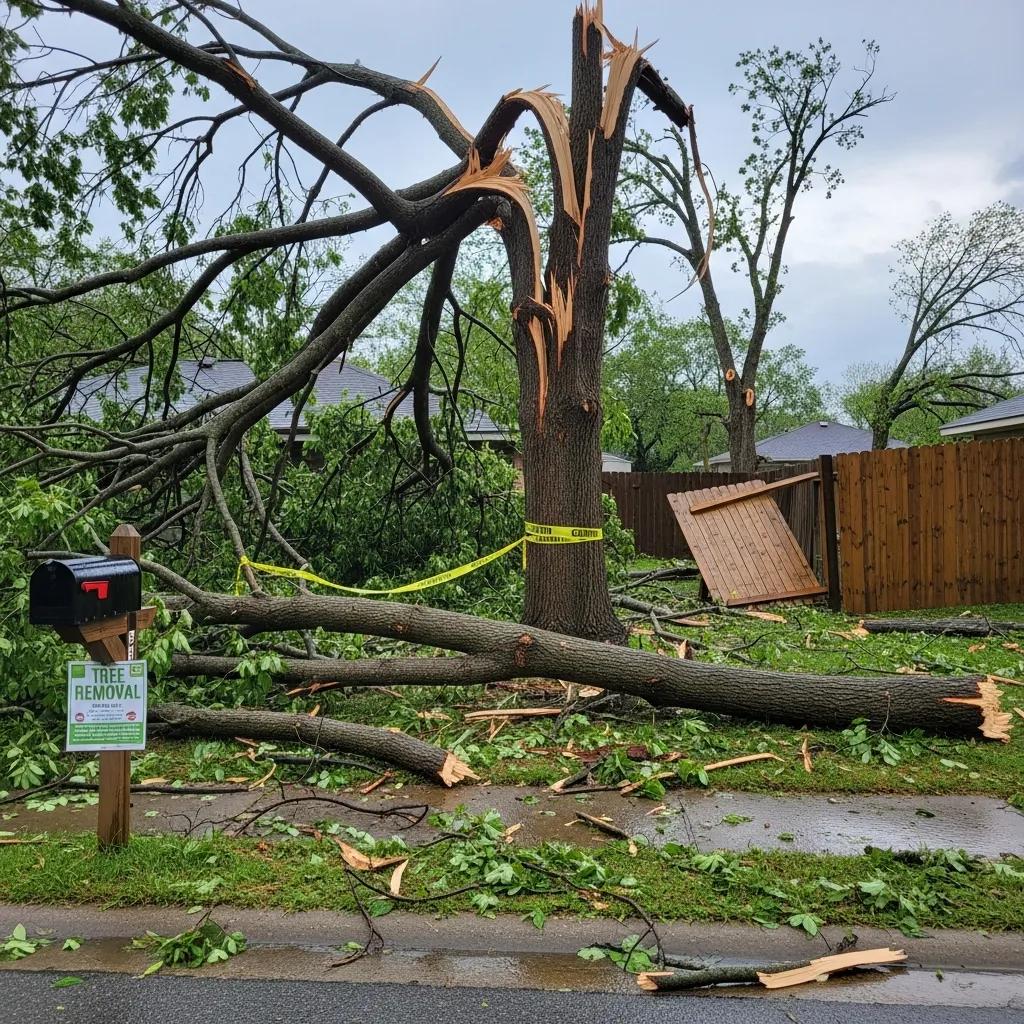
After a storm, check trees for clear signs that need urgent removal:
- Broken Branches: Large broken limbs that hang or lie across structures are immediate risks.
- Uprooted Trees: Trees that are completely or partly uprooted can shift further and should be handled right away.
- Visible Trunk Damage: Deep gouges, large cracks, or split trunks indicate the tree may fail.
Walk the property carefully after severe weather and call an emergency crew if you see these issues.
When inspecting, do so from a safe distance and avoid walking beneath damaged limbs. Photograph or note damaged areas to share with the dispatcher and your insurer. If a tree is leaning into or touching power lines, do not approach it—contact the utility company immediately and inform the emergency crew so they can coordinate with utilities when they arrive.
What tree hazards and safety risks necessitate urgent removal?
Several hazards make urgent removal necessary, including:
- Proximity to Power Lines: Trees close to lines can create electrical hazards or outages if they fall.
- Structural Damage: Trees that have damaged buildings or vehicles may threaten further collapse.
- Insect Infestation: Severe pest damage can weaken trees quickly, increasing failure risk.
Addressing these hazards promptly protects people, utilities, and property.
Soil saturation after heavy rains can change a tree’s stability quickly, especially on slopes or in poorly drained areas—watch for signs that a previously stable tree is becoming unstable. Also consider secondary hazards such as blocked driveways, emergency vehicle access, or trees that impede evacuation routes. Prioritizing removals that protect lives, critical infrastructure, and access routes helps crews manage resources during high-demand periods.
How is storm damage tree removal handled in Grand Ledge?
Storm-damage removals follow a clear process to keep everyone safe:
- Assessment: Arborists evaluate the damage and pick the safest removal approach.
- Planning: Crews plan the cut sequence and set up safety zones to protect people and structures.
- Execution: Technicians use proper rigging and equipment to remove the tree and secure the site.
After work is complete, crews clean the area and dispose of debris in line with local rules.
Depending on the situation, crews may perform a partial removal to eliminate the immediate threat and return later for full cleanup and stump work. In cases where a tree blocks a roadway or endangers a residence, crews focus first on clearing the hazard; then they remove remaining debris and complete any necessary grinding, chipping, or hauling. Crews also document the work with before-and-after photos, which can simplify insurance claims and provide a record of the emergency intervention.
What protocols ensure safe and eco-friendly disposal of storm-damaged trees?
Good disposal balances safety and sustainability. Common protocols include:
- Recycling Wood: Usable lumber and chips are salvaged for mulch, firewood, or milling.
- Proper Disposal of Debris: Branches and non-recyclable waste are removed according to local regulations.
- Using Local Services: Local processors reduce hauling distance and support community recycling efforts.
These steps cut waste and limit the environmental impact of removals.
Onsite chipping reduces volume and often allows crews to leave mulch for the homeowner’s use or to haul chips to community projects. When trees are disease-ridden, crews follow recommended disposal methods to limit spread, which may mean transporting material to specific processing facilities. Whenever possible, salvageable timber is separated for milling or firewood, supporting reuse rather than landfill disposal.
How do licensed arborists assess and manage storm damage emergencies?
Licensed arborists use a methodical approach:
- Visual Inspection: A thorough check of trees and surroundings to find hazards.
- Risk Assessment: Prioritizing trees that pose the greatest threat to people or property.
- Coordination with Emergency Services: Working with police, utilities, or fire crews when situations overlap public safety concerns.
This coordinated approach helps manage emergencies quickly and safely.
Arborists also consider long-term implications: whether a damaged tree can be made safe through pruning, needs full removal, or should be monitored. When multiple trees are affected on a property, professionals will propose a plan that balances immediate safety needs with longer-term landscape management to reduce recurrence and support recovery of remaining vegetation.
What are the costs and permit requirements for emergency tree removal in Grand Ledge?
Costs for emergency tree removal vary with tree size, complexity, and urgency. Typical emergency removals range from $300 to $1,500, depending on those factors.
Emergency situations can include additional charges such as mobilization or after-hours fees. Crews should provide a clear breakdown of costs including labor, equipment use, disposal fees, and any permits required. When possible, get a written estimate before work begins; in urgent cases, crews will often provide a verbal cost estimate and follow up with written documentation once the immediate hazard is removed.
How is pricing structured for fast tree removal services?
Pricing usually reflects:
- Tree Size: Larger trees need more labor and equipment, so they cost more.
- Location: Trees in tight spaces or near structures require specialized techniques and add to the price.
- Time of Service: After-hours or holiday emergency calls may carry higher rates.
Getting multiple quotes helps you compare options and find a fair price.
Additional cost factors include the need for cranes or bucket trucks, traffic control or police details for public roads, stump grinding, and the distance crews must travel to reach the property. Ask providers about payment options and whether they accept direct billing to insurers when applicable—this can ease the process after a major storm or insured event.
When are local permits required for emergency tree cutting?
Permits may still be needed in certain cases, even for emergencies:
- Protected Trees: Trees under local protection rules often require approval before removal.
- Public Property: Removing trees on public land usually requires permits and coordination with local authorities.
Check with city officials if you’re unsure whether a permit applies.
In some jurisdictions, emergency removals are exempt from the usual permit timeline but still require notice or after-the-fact reporting. If a permit is needed and the situation is urgent, crews will work with local officials to expedite approvals or document the emergency action. Keeping copies of any permits, notifications, and photographs of the damage will help if questions arise later with the municipality or your insurer.
What related services support emergency tree removal in Grand Ledge?
Several services help restore safety and the look of your property after an emergency:
- Tree Pruning: Regular pruning reduces future risks by removing weak or dead limbs.
- Stump Removal: Removing the stump clears tripping hazards and readies the area for planting or landscaping.
- 24/7 Tree Maintenance: Ongoing care and inspections give homeowners confidence that issues will be caught early.
These services work together to keep trees healthy and properties safe.
Other post-emergency services include soil stabilization, replanting with appropriate species for local conditions, and landscape restoration that replaces lost canopy while maintaining safety and aesthetics. Providers often bundle cleanup, chipping, and stump grinding to streamline the recovery process after a removal.
How do tree pruning and stump removal complement urgent tree services?
Pruning and stump work fix root causes and prevent repeat emergencies:
- Enhance Tree Structure: Pruning removes weak limbs and balances the canopy to lower failure risk.
- Promote Healthy Growth: Proper cuts and care reduce disease and long-term decline.
Removing stumps eliminates hazards and makes future landscaping easier.
Strategically timed pruning can prevent branches from overloading a tree during storms and reduce wind resistance that might topple a vulnerable specimen. Stump removal or grinding prevents regrowth from damaged root systems and reduces tripping hazards, improving both safety and curb appeal after a major removal.
What 24/7 tree maintenance options are available nearby?
Grand Ledge homeowners can choose from several around-the-clock options:
- Emergency Tree Services: Teams available at all hours for urgent hazards.
- Routine Maintenance: Scheduled pruning, inspections, and health care to prevent emergencies.
- Consultation Services: Expert advice on tree health, risk, and long-term care plans.
Combined, these services help you stay prepared year-round.
Some providers offer monitoring plans that include periodic safety checks and priority response in an emergency. These arrangements can reduce response time and may lower overall risk by catching problems earlier. Ask local companies about service plans that include inspections, documentation for insurance, and discounts for bundled maintenance and emergency work.
What do customers say about emergency tree removal services in Grand Ledge?
Customer reviews often emphasize speed, competence, and care. Common themes include:
- Quick Response Times: Homeowners value crews that arrive fast during emergencies.
- Professionalism: Reviewers frequently note courteous, knowledgeable crews who work safely.
- Satisfaction with Results: Many customers report that crews protected property and left the site clean.
These comments highlight the trust local residents place in qualified emergency teams.
When reading reviews, focus on examples that mirror your likely needs: emergency road clearance, trees contacting structures, or after-hours storm response. Reviews that include before-and-after photos and mention communication about costs and timing can be especially helpful when evaluating providers.
Are there testimonials highlighting fast and safe emergency removals?
Yes. Testimonials typically describe fast arrival, clear communication, and careful removal that protected homes and cleared hazards—proof that trained teams can restore safety quickly.
Look for testimonials that mention coordination with utilities, use of appropriate equipment, and clean, professional site restoration—these details indicate experience with complex emergency scenarios and an emphasis on safety and responsible disposal.
How do recent case studies demonstrate service reliability?
Case studies show real examples of timely, effective responses. For example, a storm-damaged tree blocking a driveway was cleared within 30 minutes of the call, allowing the homeowner to get back to normal quickly. Stories like this underline the value of reliable emergency crews.
Other case studies often highlight scenarios such as roof-impacting limbs stabilized to prevent further damage, multi-tree removals after wind events, and coordinated efforts where crews worked alongside utility crews to safely separate trees from power lines. These examples show how planning, equipment, and practiced teams reduce risk and downtime for property owners.
How to contact and schedule fast emergency tree removal in Grand Ledge?
To request immediate help, call the emergency number listed by local providers or use their online request forms. Give clear details about the location and the nature of the hazard so crews can respond appropriately and prepare the right equipment.
When you call, have information ready: the exact address or GPS coordinates, whether the tree is on a public right-of-way or private property, whether there are injuries, and whether power lines are involved. Share photographs if possible; images help dispatchers gauge the situation and send the right-sized crew. Keep gates unlocked or provide access codes when appropriate to speed entry for crews.
What is the process for requesting 24 hour emergency tree service?
Requesting emergency service usually follows three steps:
- Initial Contact: Call the emergency line to report the situation.
- Information Gathering: Operators ask for details to judge urgency and plan resources.
- Dispatching a Team: A crew is sent to assess and perform the removal safely.
This simple process helps get professional help on site as quickly as possible.
After the crew arrives, they typically conduct a brief on-site inspection, confirm the scope of work, and proceed with immediate actions to eliminate the hazard. Where full removal cannot be completed safely on first visit, crews will secure the area and schedule follow-up work as needed. Expect crew members to explain their plan and estimated time to finish the urgent portion of the job.
Which contact methods ensure quickest response times?
For the fastest response, use:
- Phone Calls: Direct calls usually get the quickest action.
- Text Messaging: Some companies offer text reporting if lines are busy or for quick updates.
- Mobile Apps: Dedicated apps can speed requests and show real-time status.
Choose the method offered by your preferred provider for best results.
When possible, include photos, clear location details, and a short description of the hazard in your initial message. This reduces back-and-forth and helps crews arrive prepared. If you have a service contract with a local provider, use the contact method specified in that agreement for the fastest priority handling.
How do recent storm trends impact emergency tree removal demand in Grand Ledge?
Stronger, more frequent storms have driven up demand for emergency tree services. More high-wind and heavy-rain events mean more unstable trees and urgent calls—making reliable, well-resourced crews increasingly important.
Higher call volumes during peak storm seasons can extend response times and place pressure on local resources. Planning ahead—identifying vulnerable trees, scheduling preventative maintenance, and keeping contact info for emergency providers handy—helps homeowners reduce the likelihood of a damaging emergency and speeds recovery when storms do cause damage.
What 2024-2026 storm data influences urgent tree service needs?
Recent data from 2024–2026 shows an uptick in high-wind events and heavy rainfall, both of which increase tree failures. That pattern makes regular inspections and fast emergency response more critical for homeowners.
For homeowners, the practical takeaway is to increase vigilance during seasons with frequent severe weather. Scheduling proactive assessments and addressing moderate risks before they escalate into emergencies can reduce costs and improve safety over time.
How are service providers adapting to increased storm frequency?
Providers are responding by:
- Expanding Resources: Adding crews and equipment to handle peak demand.
- Training Programs: Improving skills for safe storm-damage work.
- Community Engagement: Educating residents about maintenance and emergency preparedness.
These measures help ensure services stay reliable when storms strike.
Other adaptations include improved scheduling systems to triage calls, partnerships with local municipalities for streamlined permitting during emergencies, and investment in mobile equipment that allows crews to work safely in constrained or hazardous environments. Providers that communicate transparently about expected wait times and prioritization criteria help homeowners understand how resources are being allocated during busy periods.
Frequently Asked Questions
What should I do if a tree falls on my property?
Put safety first. Make sure everyone is clear of the area and keep a safe distance, especially if the tree contacts power lines. Call a licensed emergency tree removal service—don’t try to move large limbs yourself. Photograph the damage for your insurer and notify your insurance company as soon as you can.
If a downed tree creates an immediate danger to life or blocks emergency access, call 911 in addition to your tree provider. For trees contacting utilities, contact the utility company before attempting any work, and advise the emergency crew so they coordinate safely with utility crews on site.
Are there any preventative measures to avoid emergency tree removal?
Yes. Regular inspections, pruning, and health assessments can catch problems early. Plant trees a safe distance from structures and power lines, and watch for signs of disease or instability like cracks or leaning. Timely care often prevents emergencies.
Maintain a schedule of periodic professional inspections, particularly for older trees, those near high-traffic areas, or specimens that show early signs of decline. Corrective pruning, targeted cabling or bracing when appropriate, and soil management can extend tree life and reduce sudden failure risk.
How can I find a reliable emergency tree removal service in Grand Ledge?
Start with recommendations from neighbors and online reviews. Verify licenses and certifications, and ask about response times, insurance, and references. Contact several providers to compare availability, pricing, and approach before deciding.
Prefer companies that offer clear communication, written estimates when possible, and documented safety practices. Ask whether the crew leader is certified or has specialized training in emergency removals, and whether the company has experience coordinating with local authorities during larger storm responses.
What are the environmental impacts of tree removal?
Tree removal can protect surrounding trees from pests or disease, but it can also reduce habitat and increase erosion if not managed. Eco-friendly practices—recycling wood, replanting, and following disposal rules—help reduce negative impacts and support local ecosystems.
When removals are necessary, discuss reuse or recycling options with your provider. Replanting plans and erosion control measures can restore lost canopy and protect soil. Thoughtful post-removal landscaping helps maintain property value and local biodiversity over time.
What should I expect during the tree removal process?
Expect a staged approach: an initial assessment, a removal plan that protects people and property, and the actual cutting and cleanup performed with proper equipment. Crews will secure the site and dispose of debris according to local regulations.
Work may proceed in phases: emergency stabilization and hazard removal first, followed by full removal and cleanup. Crews typically provide a brief explanation of the plan on arrival and keep you informed about any important safety actions to take while they work.
How can I prepare my property for potential tree emergencies?
Inspect trees regularly, keep the yard clear of debris, and prune weak branches. Keep contact information for local emergency tree services and your insurer handy. An emergency kit with basic tools and supplies can help manage minor issues until professionals arrive.
Mark any private utilities and provide gate codes or keys for easy access. If you have pets or livestock, have a plan to move them to safety away from damaged trees or falling debris. Document the condition of significant trees with photos for comparison after storms.
What are the benefits of hiring a licensed arborist for tree removal?
Licensed arborists bring training, safety practices, and local knowledge. They reduce the risk of accidents, follow industry standards, and can advise on replacement, prevention, and long-term care. Hiring a licensed pro protects your property and peace of mind.
Professionals also provide documentation that can be useful for insurance claims and municipal reporting, and they can recommend follow-up actions—such as targeted pruning, monitoring, or replanting—that help prevent repeat problems and support landscape recovery.
Conclusion
Emergency tree removal in Grand Ledge delivers fast protection when trees threaten people or property. Licensed arborists working 24/7 can assess risks, remove hazards safely, and help you recover after storms. Knowing the warning signs and having a trusted provider on call makes a real difference—if you need immediate help, contact our team for prompt, professional service.
Preparation and prompt action are the best defenses against damage: keep trees maintained, document problem areas, and save contact details for a licensed emergency provider. In the event of a storm or unexpected failure, prioritize safety, gather clear location and hazard information for dispatchers, and let trained crews handle the removal and cleanup. With the right response, most emergencies are resolved quickly and with minimal lasting impact to your property.