
Emergency Tree Removal in Lansing, MI
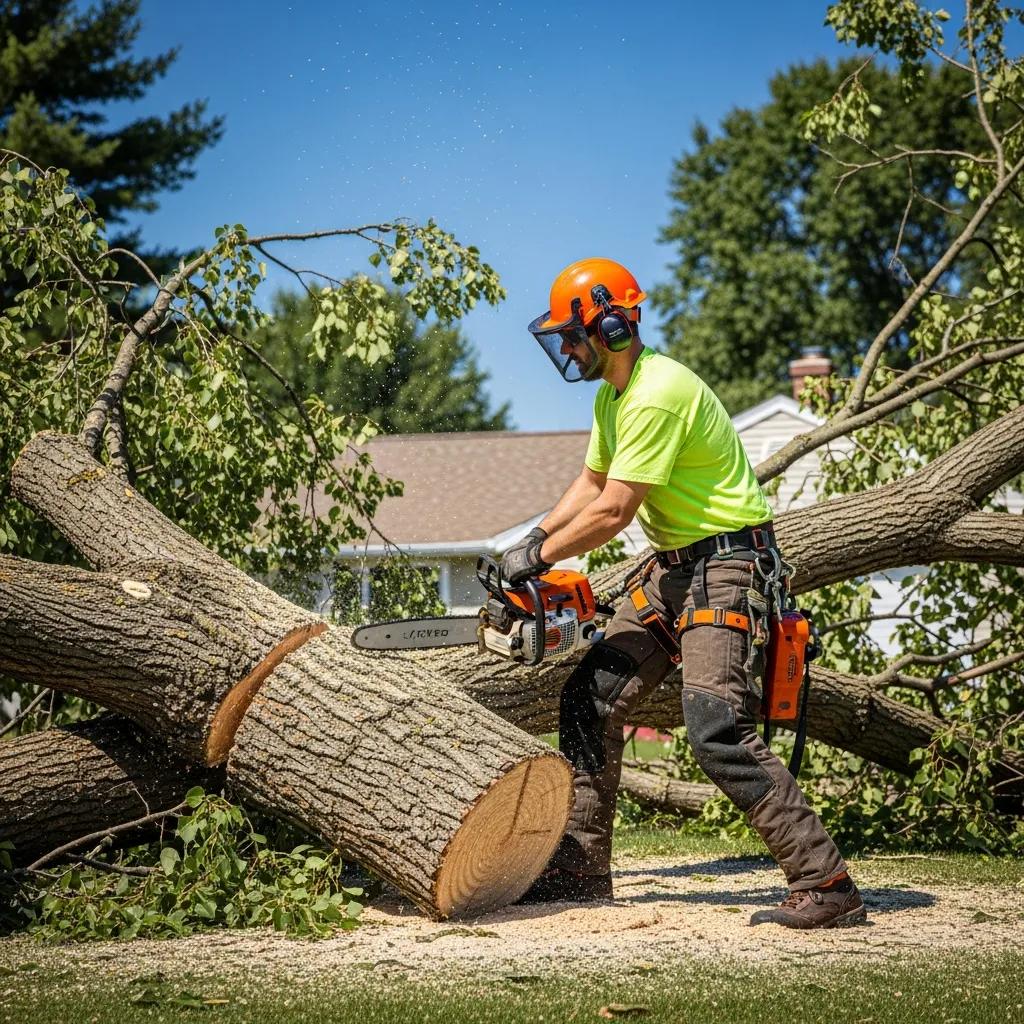
24/7 Emergency Tree Removal in Lansing, MI — Fast, Safe, and Dependable
When a tree falls or becomes unstable, acting quickly keeps people and property safe. Emergency tree removal in Lansing, MI provides rapid, professional response to eliminate hazards and limit damage. Below we cover the warning signs that call for urgent removal, what the process looks like, and the safety standards that guide our work. You’ll also learn how Woods Forestry Solutions responds to emergencies with reliable, expert service when time matters most.
Throughout this guide we offer practical advice you can use immediately — from the first safety checks to documenting damage for insurance. Our goal is to give homeowners clear, actionable steps so they can protect their family and property while waiting for professional help to arrive.
What Are the Signs You Need Urgent Tree Removal in Lansing?
Spotting trouble early helps prevent accidents and costly repairs. Trees can become dangerous from disease, storm damage, or structural issues.
- Visible Damage: Cracks, long splits, or large dead limbs that appear likely to fall.
- Proximity to Structures: Trees leaning over houses, garages, or power lines pose an elevated risk if they fail.
- Signs of Decay or Disease: Fungal growth, hollow trunks, or severe leaf loss often mean the tree is compromised and may need removal.
Noticing these signs and calling for help promptly reduces the chance of injury or further property damage.
In addition to the obvious signs listed above, watch for subtler clues such as cavities, woodpecker activity concentrated in a single area (which can indicate internal decay), or the sudden loss of a significant branch during mild weather. If a tree’s root flare is buried or you notice soil heaving near the base after heavy rain, those are further indicators that structural failure may be imminent.
How to Recognize Storm-Damaged and Hazardous Trees
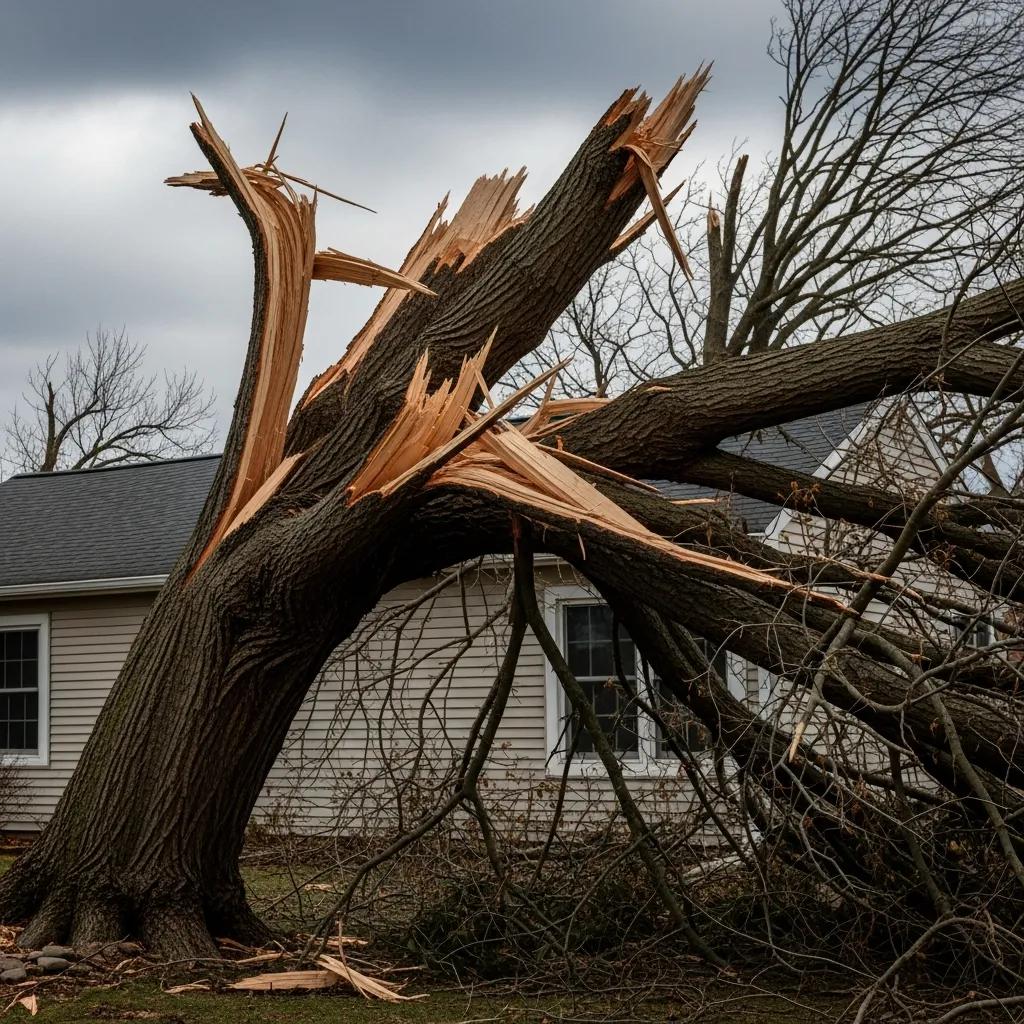
Severe weather can create hidden dangers in otherwise healthy-looking trees. Knowing what to look for helps you decide when to call a professional.
- Types of Storm Damage: Broken limbs, uprooted roots, or trunks and branches bent at unusual angles after a storm.
- Indicators of Tree Instability: Large cracks at the trunk, split crotches, or a noticeable lean that developed suddenly.
- Assessment Techniques: A licensed arborist can safely evaluate structural weakness and recommend whether removal is necessary.
When in doubt after a storm, have an expert inspect the tree rather than guessing at its stability.
After storms, it’s common for trees to suffer root damage that isn’t visible at first glance. Professionals use hands-on techniques — such as probing the root zone, checking soil movement, and testing branch attachment — to determine whether a tree can be saved or if removal is the safest option. If the site has power lines or other utilities nearby, prioritize contacting utility companies and licensed crews with the experience to work safely in those conditions.
When Is Immediate Tree Removal Critical for Safety?
Some situations demand immediate action to protect people and property. Recognizing them helps you prioritize safety.
- Risk to Life and Property: Any tree that threatens to fall on someone or a structure needs urgent removal.
- Legal Obligations: Property owners may be required to remove hazardous trees that endanger others.
- Emergency Scenarios: Following severe weather events, the chance of failure increases — prompt removal reduces further damage.
Quickly addressing these scenarios minimizes risk and helps avoid escalation into more serious problems.
Immediate removal is also warranted when a tree blocks a roadway, prevents access to emergency services, or creates an ongoing hazard to neighbors’ properties. In these cases, delaying action can compound liability and increase cleanup complexity. A fast professional response not only removes the danger but often prevents secondary damages such as structural impact, landscape disruption, or additional tree failures.
How Does Our 24/7 Emergency Tree Removal Service Work in Lansing?
Woods Forestry Solutions runs a dedicated emergency response designed to be fast, coordinated, and safe.
- Service Availability: We’re on call 24/7 to respond to urgent tree hazards across Lansing and nearby areas.
- Response Times: We prioritize emergencies so our team can arrive quickly and stabilize the situation.
- Process Overview: After your call, our trained crew assesses the scene, secures the area, and uses controlled techniques to remove the hazard.
Our goal is to restore safety with minimal disruption to your home or property.
When you call, expect a short triage conversation so we can understand the urgency and any immediate risks (for example, downed power lines or trapped vehicles). This helps dispatch the right crew and equipment. On arrival, we set up safety zones, communicate clearly with property owners about the plan, and proceed with removal while protecting walkways, structures, and landscaping wherever possible.
What Equipment and Techniques Are Used for Safe Tree Removal?
Safe removals depend on the right tools, experienced crews, and strict safety protocols.
- Types of Equipment Used: We deploy cranes, rigging systems, chainsaws, and other specialized gear as needed for complex removals.
- Safety Techniques: Controlled lowering, sectional dismantling, and secure rigging protect both crew and property during removal.
- Training Requirements: Our arborists receive ongoing training in modern techniques and safety standards to handle emergency scenarios.
Combining skilled crews with professional equipment lets us remove hazards efficiently and safely.
For tight or high-risk jobs we may use aerial lifts or portable cranes to remove sections safely without causing collateral damage. Rigging hardware such as friction devices and tag lines allow us to control the descent of large limbs and trunk sections. Each operation is planned to minimize impact — we stage equipment to keep driveways clear when possible and protect lawns and gardens with mats or temporary pathways.
How Quickly Can Emergency Tree Removal Be Completed?
Completion times vary based on the situation, but we work to resolve emergencies as efficiently as possible.
- Factors Affecting Time: Tree size, access, proximity to structures or utilities, and required equipment all affect timing.
- Typical Completion Times: Many emergency removals are completed within a few hours, though complex jobs can take longer.
- Emergency Response Protocols: Our crews assess, stabilize, and remove hazards in a staged, safety-first approach to speed up safe resolution.
We’ll give you an estimated timeline during the initial assessment so you know what to expect.
Simple removals where a tree has fallen in an open yard can be cleared and stacked for disposal in under a few hours. Jobs near structures or involving utility lines require additional planning, permits, or coordination with utility providers and can extend the timeline into a full day or more. We prioritize life-safety tasks first, then coordinate debris removal and site cleanup as the final step to return your property to a safe condition.
What Are the Safety and Compliance Standards for Emergency Tree Removal?
Safety and regulatory compliance guide every emergency operation we perform.
- OSHA Standards: We follow Occupational Safety and Health Administration rules to protect workers and clients on site.
- Local Regulations: Our team ensures removals meet local permitting and ordinance requirements.
- Best Practices: We apply industry best practices to make sure work is safe, efficient, and professionally executed.
Adhering to these standards keeps our crews and your property protected throughout the job.
We maintain documentation of training, equipment inspections, and job-site hazard assessments to demonstrate compliance. When permits are required, we help secure them or advise on the process so removals proceed legally and without delay. This attention to rules and standards reduces the chance of fines and ensures the work meets recognized professional criteria.
Which OSHA and Local Regulations Govern Tree Removal in Lansing?
Knowing the rules helps you stay compliant and avoid fines when trees must be removed.
- Key Regulations: Local ordinances can restrict removal of protected trees or require permits for certain properties.
- Compliance Requirements: Property owners should confirm permit needs and follow municipal guidelines before removal.
- Penalties for Non-Compliance: Ignoring regulations can lead to fines or legal action, which is why working with licensed professionals matters.
We can advise you on local requirements and handle necessary permits as part of our service when applicable.
Regulatory details vary by jurisdiction within the Lansing area and by tree classification. For older neighborhoods or properties in conservation zones, additional approvals may be needed. Our team can research local codes, prepare permit applications, and, when necessary, provide arborist assessments to support permit requests and demonstrate the safety reasons for removal.
What Safety Protocols Does Woods Forestry Solutions Follow?
Our safety-first culture guides every emergency response we perform.
- Safety Training: Crews complete rigorous, ongoing training in emergency procedures and safe removal techniques.
- Emergency Procedures: We use established checklists and protocols to manage risks and coordinate efficient removals.
- Equipment Safety: Regular inspections and preventive maintenance keep our tools and machines reliable on every call.
These protocols ensure consistent, dependable service when safety matters most.
We also perform pre-job briefings to align crew roles, review escape routes, and coordinate traffic or pedestrian controls when needed. Personal protective equipment (PPE) is standard on every call, and we maintain clear lines of communication on site with radios and visual signals so all team members are aware of moving equipment or falling debris.
How Does Insurance Coverage Work for Emergency Tree Removal in Lansing?
Insurance can often help cover emergency removals — understanding the process makes claims smoother.
- Types of Coverage: Homeowner policies frequently cover removal when a tree falls on your property or threatens structures due to a covered peril.
- Claim Process: Document damage, contact your insurer, and provide photos and notes to support your claim.
- Common Exclusions: Some policies exclude pre-existing tree health issues or require proof that damage resulted from a covered event.
We can provide documentation and before/after photos to support your insurance claim when needed.
Keep copies of invoices, service notes, and any professional assessments our arborists provide — insurers often request these during review. If the tree caused secondary damage to a structure, document that separately and note whether emergency services were needed to prevent further loss. Clear records speed up approval and can reduce the out-of-pocket expense for homeowners.
Is Emergency Tree Removal Covered by Homeowner Insurance?
Coverage depends on your policy and the cause of the damage.
- Coverage Details: Many policies cover removal if a tree threatens the home or falls during a storm or other covered event.
- Claim Requirements: Insurers often require evidence of the hazard and documentation of the damage.
- Common Misconceptions: Not all removals are covered — routine removals for hazardous or dead trees may not qualify without a covered event.
Review your policy or consult your insurer to confirm what’s covered in your situation.
If you believe a covered event led to tree failure, report the incident to your insurer promptly and share the photos, timestamps, and any professional notes. If removal is urgent to secure the property, document that you requested emergency service and save invoices — insurers commonly accept emergency expenses that were reasonable and necessary to prevent additional loss.
How to File Insurance Claims for Storm Damage Tree Removal
Documenting damage and following insurer procedures speeds up claim resolution.
- Step-by-Step Process: Photograph damage, note dates and conditions, and contact your insurance company as soon as possible.
- Documentation Needed: Provide photos, descriptions, invoices, and any professional assessments from licensed arborists.
- Common Pitfalls: Avoid delays in reporting, incomplete documentation, or attempting unsafe DIY removals that could jeopardize a claim.
Clear documentation and timely communication help you get the coverage you’re entitled to.
When documenting, take wide shots that show the tree in relation to nearby structures and close-ups of the damage. Mark the dates and times on your notes, and keep original receipts for emergency service and cleanup. If a municipal agency or utility also responds, save any reports they provide — those third-party records can be useful evidence for your claim.
What Are the Costs and Pricing Options for Emergency Tree Removal?
Costs vary by situation; understanding the factors helps you plan financially.
- Factors Affecting Pricing: Tree size, location, access, and the complexity of the job all influence the final cost.
- Typical Cost Ranges: Emergency removals can range from a few hundred dollars to several thousand, depending on scope and equipment needs.
- Payment Options: Many companies offer payment flexibility or estimates upfront to help during urgent situations.
We provide clear estimates and explain pricing so there are no surprises during an emergency.
When possible we offer an on-site estimate even during emergency calls so you understand the likely cost before work begins. If immediate action is required to prevent further loss, we explain the minimum emergency stabilization steps and any additional work that may be required later, allowing you to approve only what’s necessary right away.
Factors Affecting Emergency Tree Removal Pricing in Lansing
Several practical variables determine the price of an emergency removal.
- Tree Size and Condition: Bigger trees or those that are rotten require more time, crew members, and equipment.
- Location Factors: Trees close to buildings, power lines, or in tight yards may need special rigging or cranes, which raises costs.
- Time of Year: Peak storm seasons can increase demand and affect availability and pricing.
Knowing these factors ahead of time helps you budget and set realistic expectations for emergency service.
Accessibility is often an overlooked cost driver: long walks from the street to the tree, narrow gates, or fragile landscaping can require extra labor and protective measures, which add to the final price. We always aim to present a transparent breakdown so you understand where costs come from.
Are There Affordable Same Day Tree Removal Services Near Me?
Same-day emergency service is available, and affordability depends on the job and timing.
- Service Options: Many local companies, including Woods Forestry Solutions, offer same-day response for urgent hazards.
- Cost Comparisons: Compare estimates and service scope — the cheapest option isn’t always the safest for emergencies.
- Availability: During peak demand, same-day slots fill quickly, so contact providers as soon as you can.
We aim to balance speed, safety, and fair pricing when responding to same-day emergencies.
To get the best combination of speed and value, ask providers about their emergency triage process, whether they include cleanup in the quote, and if they provide temporary stabilization versus full removal when needed. This helps you compare apples-to-apples instead of choosing on price alone.
What Do Customers Say About Our Emergency Tree Removal Services?
Customer feedback reflects the reliability and professionalism of emergency crews.
- Customer Satisfaction: Clients frequently praise our quick response and clear communication during stressful situations.
- Service Quality: Reviews often call out our careful work and attention to protecting property.
- Response Times: Timely arrivals and efficient work are commonly mentioned in customer testimonials.
Real customer experiences demonstrate the consistency and care we bring to every emergency call.
Many clients specifically note the calming effect of clear communication during an emergency — knowing when crews will arrive, what steps will be taken, and how the site will be secured often reduces stress and helps neighbors feel safer while work is underway.
Real Customer Testimonials and Case Studies from Lansing Residents
Hearing directly from neighbors helps you judge our service in real-world situations.
- Success Stories: Residents share how we safely removed hazardous trees and restored peace of mind after storms.
- Before and After Comparisons: Visual examples highlight the care and thoroughness of our crews.
- Customer Trust: Testimonials show why Lansing homeowners rely on Woods Forestry Solutions for emergency tree care.
These case studies show our practical results and build trust with new clients.
Case studies often illustrate not only the technical removal but the follow-up: final cleanup, stump removal options, and recommendations for replanting or erosion control. These details help future clients understand the full scope of service and the lasting benefits of professional care.
Before and After Photos of Storm Damage Tree Removal
Photos clearly show the impact of professional removal and cleanup.
- Visual Impact: Before-and-after images illustrate how we safely restore properties after storm damage.
- Service Quality: Photos highlight the precision and care taken during removals.
- Customer Trust: Seeing results helps homeowners feel confident choosing a professional service.
Our photo documentation also supports insurance claims and shows the value of hiring experienced arborists.
We keep an organized gallery of before-and-after images for many jobs to show the progression from hazardous situation to safe, cleaned site. These images are useful when discussing follow-up work such as stump grinding, site restoration, or landscape repairs with homeowners or insurers.
How to Prepare for and Respond After a Tree Falls on Your Property?
Knowing immediate steps helps protect people and speeds recovery after a tree fall.
- Immediate Actions: Keep everyone clear of the area, note hazards like downed lines, and call emergency services if anyone is injured.
- Safety Considerations: Do not try to cut or move large trees yourself — leave it to trained crews with proper gear.
- Contacting Services: Call a licensed emergency removal service right away to secure the scene and begin safe removal.
Quick, careful action reduces risk and helps restore safety to your property.
If a tree has damaged a structure, protect undamaged areas by covering exposed roofing or broken windows with plywood or tarps while you wait for professional repairs — but only if it is safe to do so. When utilities are involved, contact the utility company first; they may need to de-energize lines before crews can work near them.
Immediate Steps to Take After Storm Damage in Lansing
After severe weather, a short checklist can keep you safe and protect your claim potential.
- Safety Checks: Look for hazards such as downed power lines, gas leaks, or unstable trees and keep a safe distance.
- Contacting Services: Call emergency tree removal professionals to assess and secure the site.
- Documentation: Photograph damage and record details for insurance purposes before cleanup begins.
Following these steps helps you manage the aftermath efficiently and safely.
Additionally, create a simple incident log with times and actions taken — when you called emergency services, who you spoke to, and what interim measures were implemented. This log can be valuable for insurance adjusters and for tracking restoration progress after the event.
How to Contact Licensed Emergency Arborists Near Me Quickly
Finding a licensed arborist fast can make a big difference in an emergency.
- Finding Local Services: Use local directories, search engines, or community recommendations to find licensed pros near you.
- Contact Methods: Many providers offer immediate phone lines or online emergency request forms for quick response.
- Response Expectations: Ask about availability, typical response times, and emergency procedures when you call.
Having contact info for reliable arborists on hand before an emergency helps you act without delay.
Save contact details for two or three reputable providers in your phone so you can quickly compare availability during a storm. Verify credentials like licensing and insurance ahead of time — this reduces delays when speed matters most and protects you from unqualified providers taking on risky work.
What Are the Latest Trends and Technologies in Emergency Tree Removal?
New tools and practices are improving safety, speed, and environmental outcomes in tree care.
- Emerging Technologies: Advanced rigging, portable cranes, and precision cutting tools make complex removals safer and faster.
- Industry Trends: There’s a growing emphasis on sustainability, documented assessments, and minimally invasive techniques.
- Future Outlook: Continued innovation will keep improving response times and reduce environmental impact.
Staying current with technology lets us offer better, safer solutions for emergency tree work.
Companies increasingly integrate software for job tracking and documentation, making it easier to produce inspection reports and photo logs immediately after an event. These digital records help clients and insurers understand the work performed and the reasons behind removal decisions, improving transparency in emergency situations.
How Drone-Assisted Damage Assessment Improves Response Times
Drones provide a faster, clearer picture of damage so crews can plan safer, quicker responses.
- Technology Benefits: Aerial views reveal structural issues and hazards that may be hard to see from the ground.
- Case Studies: Drone assessments have shortened inspection times and improved safety planning on many emergency calls.
- Future Applications: As drones become more capable, they’ll play an even larger role in rapid damage assessment and documentation.
Drone footage also supports insurance claims and helps crews arrive prepared with the right equipment.
Because drones can inspect tree crowns and roofs without putting people at risk, they often reduce the time crews spend on initial evaluation. The aerial perspective can identify weak attachments and hidden hazards, allowing crews to stage equipment and personnel more efficiently once on site.
Eco-Friendly Tree Disposal and Sustainable Practices in Lansing
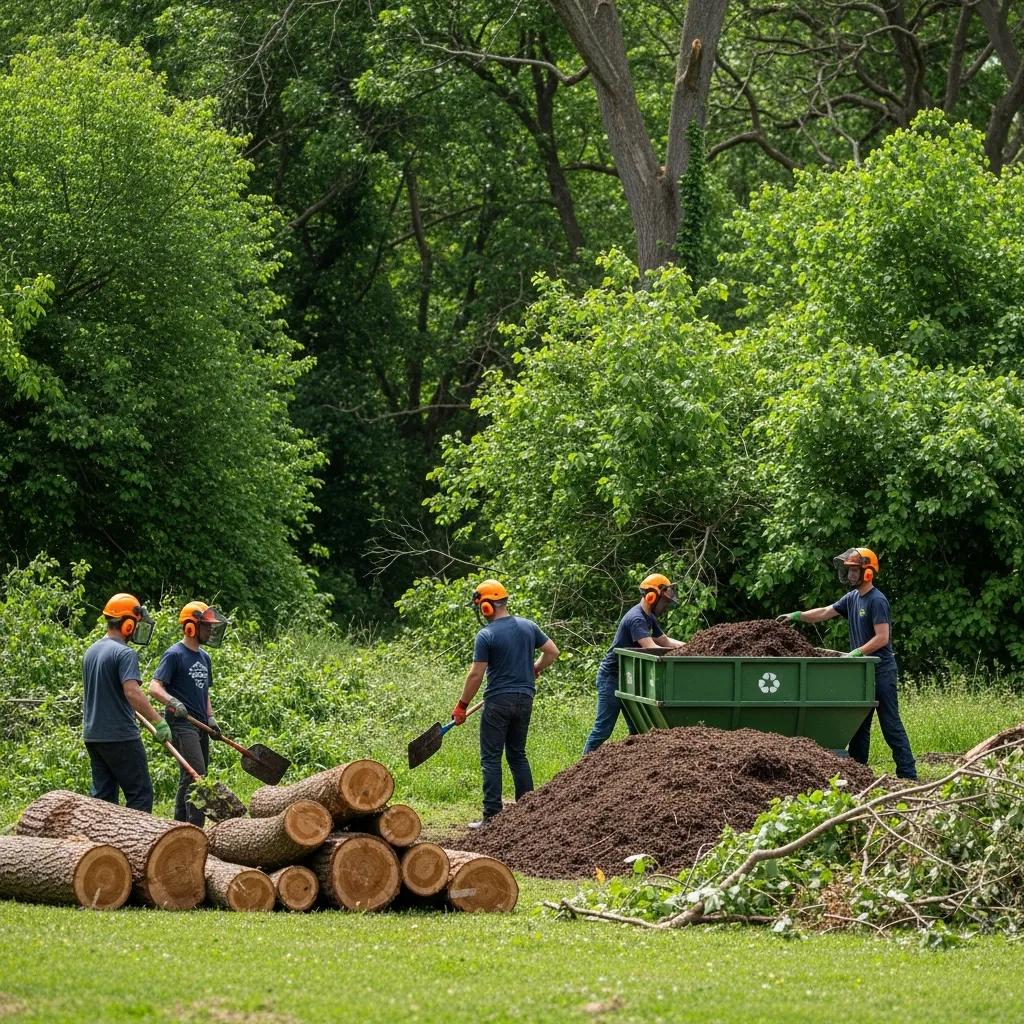
Responsible disposal and sustainable practices are central to modern tree care.
- Sustainability Practices: Recycling wood into mulch, composting debris, and repurposing timber help reduce waste.
- Community Impact: Eco-friendly disposal supports local green spaces and minimizes landfill use.
- Regulatory Compliance: We follow environmental rules to ensure removals are done responsibly.
Choosing sustainable options helps protect the environment while addressing urgent tree care needs.
Where feasible we offer to chip on-site and leave mulch for the homeowner, or we can transport usable timber to local sawmills or community projects. These options not only divert material from landfills but can also provide homeowners with useful landscaping resources at low or no extra cost.
Frequently Asked Questions
What should I do if a tree falls on my property?
First, keep people and pets away from the area and check for injuries. Look for hazards like downed power lines and call emergency services if needed. Don’t try to move large limbs yourself. Contact a licensed emergency tree removal service right away and document the damage with photos and notes for insurance.
If the fallen tree blocks a driveway or access route, contact emergency responders as needed and inform your insurance company promptly. Keep a clear perimeter until trained crews arrive, and avoid standing under damaged trees or leaning branches that could shift.
How can I find a reliable emergency tree removal service in Lansing?
Search local listings and read reviews on platforms like Google or Yelp. Ask neighbors for recommendations and verify that the company is licensed and insured. When you call, ask about their emergency response times, safety procedures, and whether they provide written estimates.
Ask prospective providers for references and inquire about recent emergency work they’ve completed. Confirm that the crew assigned to your job carries appropriate insurance and that the company follows OSHA and other safety standards.
What are the potential risks of delaying tree removal?
Delaying removal raises the chance of injury, further property damage, and spread of disease to nearby trees. A compromised tree can fail without warning, so prompt assessment and action reduce long-term costs and safety risks.
Beyond immediate hazards, delaying removal can allow pests or fungal infections to spread to neighboring trees, increasing long-term landscape costs. Prompt action can save money and preserve the health of adjacent vegetation.
Are there any specific regulations for tree removal in residential areas?
Yes — local rules vary and may require permits for removing certain trees, especially protected species or trees in designated zones. Check with your municipality or ask a licensed arborist to confirm permit requirements before removing a tree.
When a permit is required, our team can often prepare necessary documentation or provide professional assessments to support the application. This helps speed approvals and keeps the removal process compliant with local rules.
What eco-friendly practices are used in tree removal and disposal?
Best practices include recycling wood into mulch, composting debris, and repurposing large pieces for lumber or community projects. Responsible disposal and minimal-impact techniques help protect the local ecosystem.
We also advise on replanting strategies and soil restoration when removals create open spaces. Selecting appropriate replacement species and stabilizing soil can restore ecological balance and improve long-term property value.
How can I prepare my property for potential tree emergencies?
Regularly inspect trees for signs of decay, trim overhanging branches, and remove dead trees before they become hazardous. Keep emergency numbers for local arborists handy and photograph trees you’re concerned about so you can quickly share details with professionals.
Establish a maintenance schedule so mature or vulnerable trees are inspected at least annually. Preventive pruning and targeted treatments for pests or disease often reduce the likelihood of emergency removals in the first place.
What are the benefits of using drone technology in tree assessment?
Drones speed up damage assessments by providing aerial views that reveal hard-to-see hazards. They help crews plan safer removals and produce high-quality images for insurance documentation, improving both response time and claim support.
Drone imagery also creates a permanent record of site conditions immediately after a storm, which can be invaluable for follow-up repairs, permit applications, and insurance claims — all without placing people in hazardous positions during the inspection.
Conclusion
Emergency tree removal in Lansing, MI is a critical service that keeps people and property safe after storms or when trees become hazardous. By recognizing warning signs early and relying on experienced professionals like Woods Forestry Solutions, you can resolve threats quickly and correctly. If you face an urgent tree situation, contact us for prompt, expert assistance and clear guidance through the process.
Preparing ahead, documenting damage, and choosing licensed, insured professionals are the best ways to protect your family and limit disruption after tree-related emergencies. When time matters most, a coordinated, safety-focused response restores security and helps your property recover faster.