Tree Pruning Services in Grand Ledge, MI
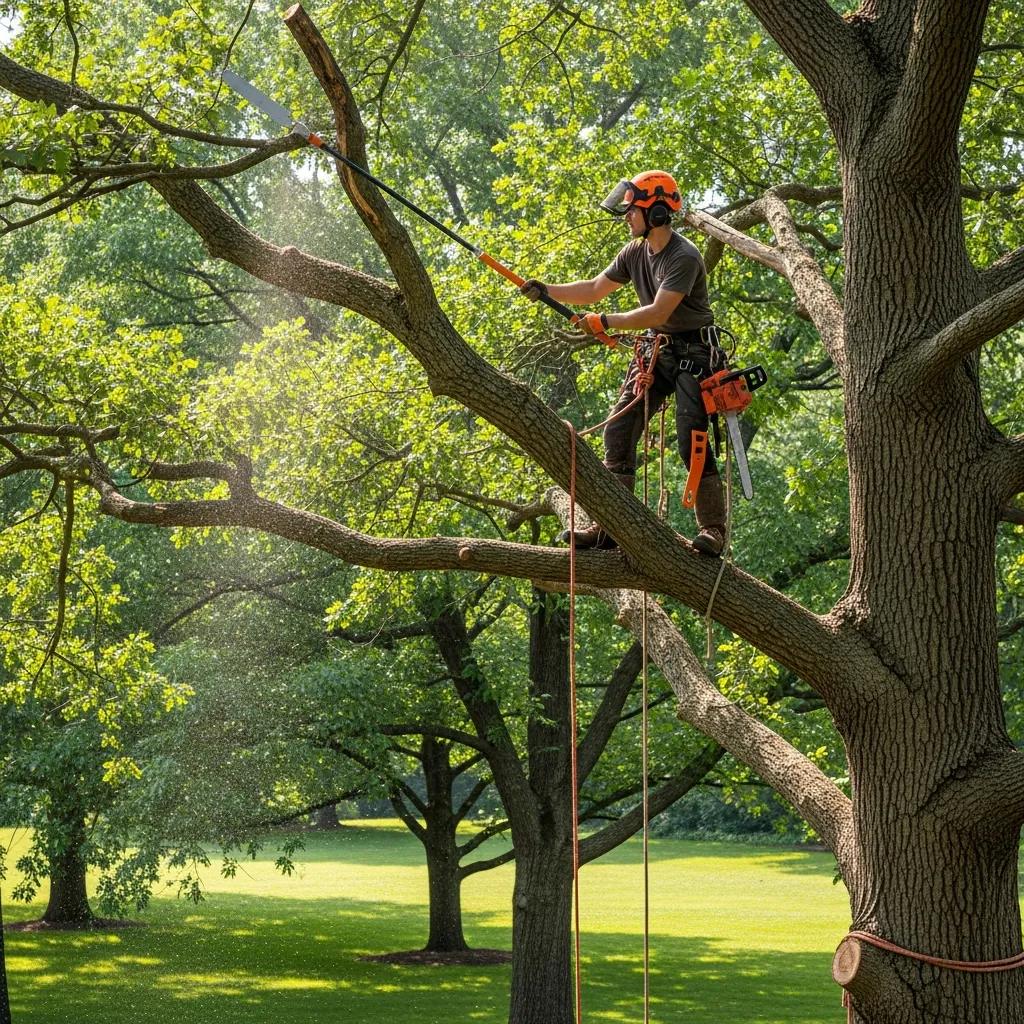
Tree Pruning in Grand Ledge, MI — Expert Care for Healthy, Safe Trees
Proper pruning keeps trees healthy, safe, and attractive — especially here in Grand Ledge, where seasonal weather affects growth and stress. This guide explains why professional pruning matters, the techniques certified arborists use, and how seasonal care supports long-term tree vitality. You’ll learn when to prune, what to look for when choosing an arborist, and how timely trimming reduces hazards and improves your landscape.
Local weather swings and soil variability in the Grand Ledge area mean trees face a mix of growing-season vigor and winter stress. That combination makes planned, well-timed pruning more important than one-off corrective cuts. The goal of this guide is practical: give property owners clear, usable information so pruning decisions preserve tree health, reduce risk, and enhance the landscape.
What Are the Benefits of Professional Tree Pruning in Grand Ledge?
Hiring a professional for pruning delivers clear, practical benefits for trees and property owners.
- Improves Tree Health : Routine pruning removes dead or diseased limbs, boosts air flow and light to the canopy, and supports stronger growth.
- Enhances Safety : Removing weak or hazardous branches cuts the risk of falling limbs that can hurt people or damage property.
- Increases Aesthetic Appeal : Well-shaped trees make yards look cared for, which can raise curb appeal and enjoyment of outdoor spaces.
These advantages make a strong case for working with pros who understand local species and seasonal challenges in Grand Ledge.
Additional practical benefits include longer-term cost savings from avoiding emergency removals, clearer visibility around homes and driveways, and targeted pruning that supports desired tree form without excessive canopy loss. Professionals can also advise on timing and follow-up maintenance to extend the benefits of each visit.
How Does Tree Pruning Improve Tree Health and Safety?
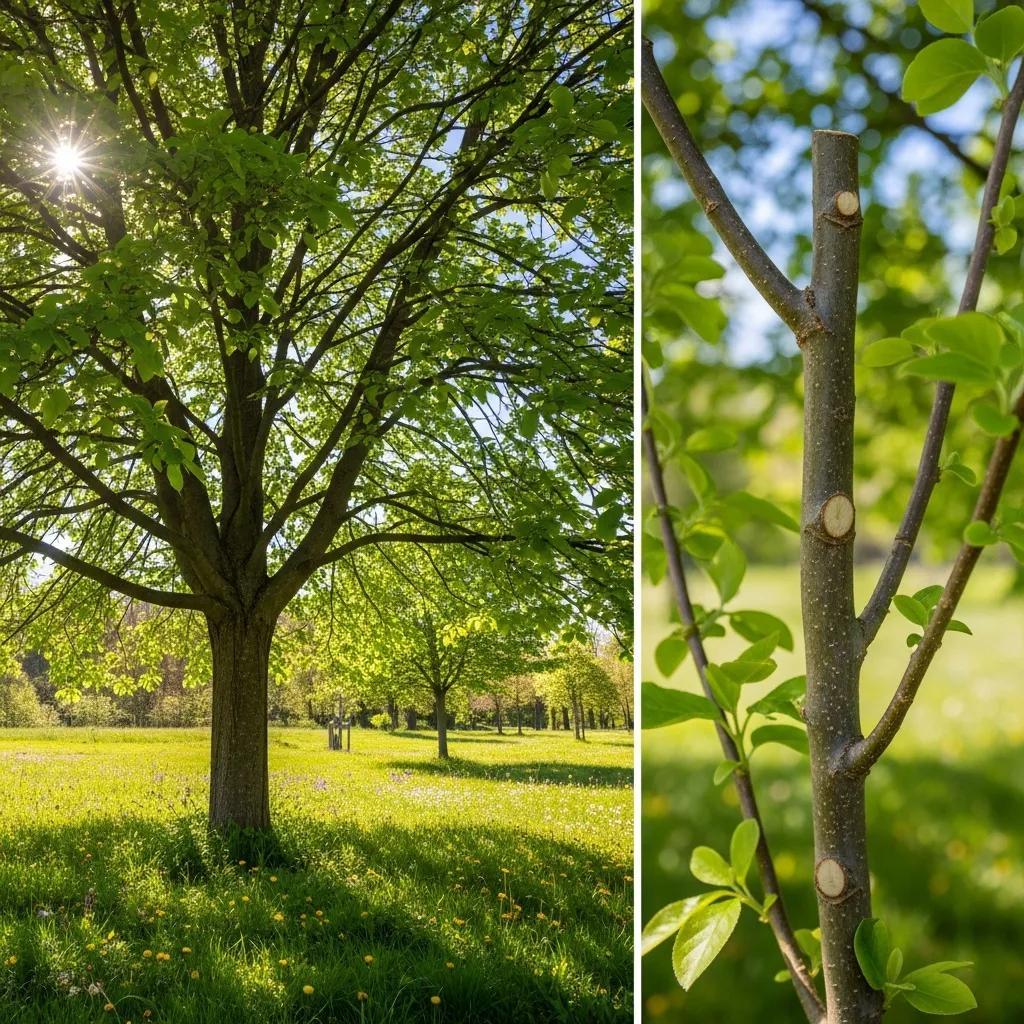
Proper pruning reduces disease, strengthens structure, and prevents dangerous failures.
By cutting away dead or infected branches, arborists remove sites where pests and pathogens can thrive. Correct pruning also encourages a balanced structure, which helps trees resist storm damage and other environmental stresses. Taken together, these steps protect both the tree and the people and property nearby.
Regular maintenance is a proactive way to keep your trees resilient and safe throughout the year.
Experts agree: pruning is a core practice in arboriculture that directly affects a tree’s health and structural integrity.
The Core of Arboriculture: Pruning for Tree Health & Structure
Pruning sits at the center of professional tree care. To paraphrase Alex Shigo (1989), pruning can be one of the best things an arborist does for a tree — and, done poorly, one of the worst. The practice has wide-reaching effects on tree health and structure and is supported by a substantial body of research.
The research foundation to tree pruning: A review of the literature, N Matheny, 2010
Practical restoration of structure after storm damage or years of neglect requires an understanding of branch relationships, branch collar anatomy, and how a tree seals wounds. Professionals make pruning cuts that reduce the chance of decay and promote compartmentalization, while avoiding flush cuts or cuts that leave long stubs — both of which can create long-term problems.
Signs that pruning would benefit a tree include visible dead wood, extensive crossing or rubbing branches, heavy limbs overhanging structures, and signs of decay or insect activity. If you see these signs, a professional assessment can identify which cuts are necessary, which can wait, and which would harm the tree if made.
- Look for dead, broken, or decayed branches and areas of cracking or rot.
- Note branches that rub or grow inward toward the center of the canopy.
- Identify limbs that place excessive weight on weak unions or narrow branch angles.
What Aesthetic Enhancements Result from Expert Tree Trimming?
Thoughtful trimming can transform a property’s look while supporting tree health.
- Improves Landscape Appearance : Clean, balanced trees make yards and streetscapes look intentional and well-kept.
- Increases Property Value : Attractive, healthy trees can boost curb appeal and influence buyer perception.
- Creates a More Inviting Environment : Well-maintained trees invite people outdoors and make shared spaces more pleasant.
Aesthetic gains are a natural side effect of properly applied pruning techniques.
Landscaping-minded pruning also considers sight lines, solar access for gardens, and the relationship between trees and built features such as porches, fences, and gutters. An arborist can balance aesthetics with long-term tree health so the tree looks good now and remains healthy for years.
Seasonal Tree Pruning: Best Times in Grand Ledge, MI
Timing depends on species and local conditions, but a few general rules help guide seasonal care.
- Spring for Growth : Early spring is often a good time to remove winter-damaged limbs and prepare trees for the growing season.
- Fall for Preparation : Pruning in fall can reduce excess weight and help trees settle into dormancy before winter.
- Avoiding Winter Damage : Heavy pruning in coldest months can stress trees and expose fresh cuts to cold injury, so it’s usually best to avoid major work in deep winter.
Tailoring pruning to the season maximizes benefits and limits stress on the tree.
Beyond broad seasonal guidance, good arborists base timing on the tree’s condition, flowering and sap movement, and immediate safety concerns. For example, removing clearly hazardous branches cannot wait for the ideal calendar window; safety takes precedence and professionals will address urgent work as needed.
How Do Seasonal Changes Affect Pruning Schedules?
Seasons influence when and how trees should be pruned because growth cycles and weather change the tree’s response.
Some species respond best to pruning during dormancy, while others handle cuts better during active growth. Weather matters too: wet, windy, or very cold days make pruning harder and less safe. A good arborist plans work around species needs and local weather patterns.
Appreciating these factors helps ensure pruning is done at the right time for the right reasons.
When planning annual maintenance, ask your arborist for a seasonal checklist. That checklist might include priority safety cuts in late winter or early spring, light shaping in summer months, and hazard reduction in the fall. Planning reduces the need for emergency interventions and spreads work across seasons for the tree’s benefit.
What Are the Recommended Pruning Practices for Each Season?
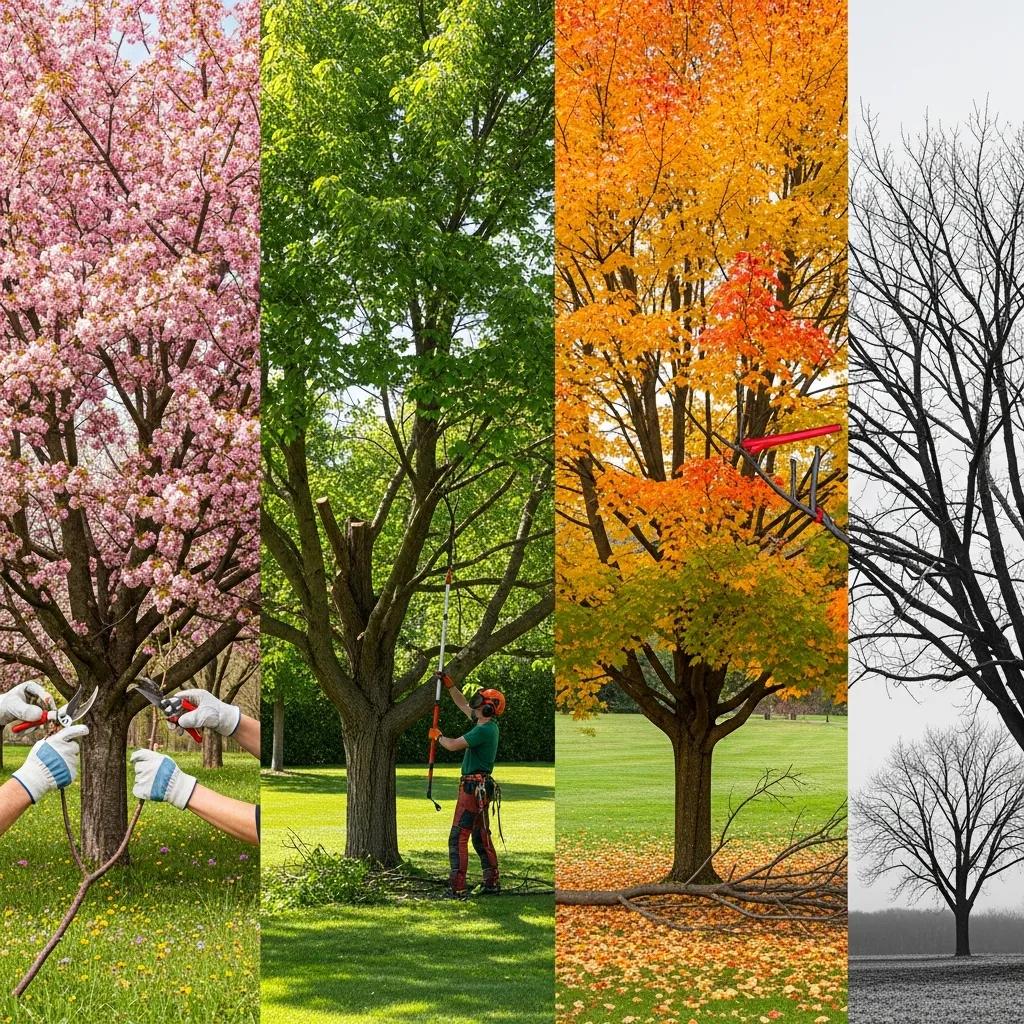
Seasonal techniques focus on minimizing stress while addressing the tree’s changing needs.
- Spring Pruning Techniques : Remove dead or damaged branches and tidy structural crossings to support new growth.
- Summer Maintenance Tips : Light shaping and selective thinning can improve form without over-stressing the tree.
- Fall Preparation Strategies : Reduce heavy limbs and remove hazards so trees enter winter more safely.
Following season-appropriate methods keeps trees stronger year after year.
Practice notes for each season:
- Spring: Focus on removing winter-damaged wood, correcting structural problems, and pruning before active leaf-out when possible to allow clear assessment of branch health.
- Summer: Limit pruning to shaping and corrective thinning; avoid heavy cuts when the tree is using energy for growth. Summer pruning is useful for reducing wind resistance and improving sight lines.
- Fall: Remove hazards and dead wood, but avoid large structural changes late in the season if the tree is entering dormancy and will have limited capacity to recover before winter.
Good practice also includes cleaning tools between cuts when disease is suspected, making pruning cuts outside the branch collar, and avoiding topping or excessive removal of live canopy that can stress the tree.
Which Professional Pruning Techniques Are Used by Certified Arborists in Grand Ledge?
Certified arborists choose methods that protect tree health while meeting the owner’s goals.
- Thinning : Selective removal of branches to improve light and air flow through the canopy.
- Topping : Generally discouraged; used only in rare, controlled situations when height must be reduced quickly.
- Crown Reduction : Reduces overall crown size while keeping natural form, often by cutting back to a suitable lateral branch.
Crown reduction and similar techniques require skill and precision to avoid long-term harm to the tree.
Urban Tree Pruning Techniques & Standards
On proper crown reduction: limbs are shortened in the upper third of the crown, and overall crown size may be reduced by roughly one-third to one-half, cutting back to laterals that are at least one-third the diameter of the removed limb. These controlled cuts help maintain tree stability and form when reduction is necessary.
Pruning urban trees-type and quality according to arborist union standards, V Paganová, 2018
When selecting a technique, the arborist evaluates the tree’s age, form, structural defects, and location. Thinning reduces wind resistance and lightens the crown, crown reduction conserves form while addressing clearance issues, and in most cases topping is avoided because it creates large wounds and weak regrowth.
A skilled arborist will also provide a plan for staged pruning when major corrections are needed, spreading work across seasons or years to avoid sudden, excessive canopy loss that can destabilize a tree.
What Are the Common Tree Pruning Methods and Their Benefits?
Different pruning approaches solve different problems — from safety to size control.
- Selective Pruning : Targets specific limbs to improve structure and reduce stress on the tree.
- Crown Cleaning : Removes dead or diseased wood to improve vitality and reduce hazards.
- Pollarding : Controls mature tree size and encourages new, manageable growth — often used in tight urban settings.
Choosing the right method depends on species, age, location, and the desired outcome.
Benefits by method:
- Selective pruning preserves the tree’s natural profile while removing structurally weak or interfering limbs.
- Crown cleaning reduces the volume of dead or dying tissue that could break in storms and invites better air circulation.
- Pollarding is a long-term maintenance strategy suitable where space constraints require frequent, controlled regrowth; it must be started on younger trees and followed regularly.
How Do Certified Arborists Ensure Safety and Compliance During Pruning?
Certified arborists follow clear safety steps and local rules so work is both effective and compliant.
- Use of Safety Gear : Arborists use helmets, harnesses, eye protection, and other PPE to reduce risk while working aloft.
- Compliance with Local Regulations : Professionals follow municipal rules and best-practice standards when pruning or removing trees.
- Risk Assessment Procedures : A site assessment identifies hazards and informs safe work plans before any cutting starts.
These precautions protect crews, clients, and nearby property during every job.
Research highlights that certification and experience influence how consistently safety standards are applied in the field.
Arborist Certification & Safety Practices
A consensus safety standard exists, but compliance varies. Studies have examined whether experience and certification relate to following safety practices and have identified which practices are more or less likely to be adopted by arborists in real work settings.
Compliance with the ANSI Z133. 1—2006 safety standard among arborists in
New England, B Kane, 2006
Homeowners can support safe work by clearing vehicles and patio furniture from the work area, marking underground utilities if present, and following any site-preparation guidance from the arborist. Before work starts, a competent crew will explain the planned sequence, access points for equipment, and how debris will be handled.
If permits are required for major pruning or removal in your area, a qualified professional will advise you and, in many cases, secure the permit on your behalf or provide documentation you can use to obtain one.
How to Choose the Right Local Arborist for Tree Care Services in Grand Ledge, MI?
Selecting the right arborist protects your trees and your investment.
- Check Qualifications : Confirm certifications, training, and any relevant licenses.
- Read Reviews : Look for recent customer feedback and examples of similar jobs.
- Ask for Estimates : Compare written estimates to understand scope, timing, and pricing.
These steps help you hire a capable, trustworthy professional for local tree care.
Useful interview questions include: How long have you worked locally? Can you provide references and before/after photos from similar jobs? What safety measures and insurance do you carry? A reputable arborist will answer these clearly and provide a written scope that outlines recommended cuts, timing, and cleanup procedures.
Red flags to watch for are vague answers about technique, refusal to provide proof of insurance, unusually low written estimates without a clear explanation, or pressure to agree to work immediately without a proper assessment.
What Qualifications and Certifications Should a Grand Ledge Arborist Have?
Proper credentials indicate a commitment to best practices and safety.
- ISA Certification : Certification from the International Society of Arboriculture shows professional knowledge and standards.
- Local Licensing : Confirm the arborist is permitted to work in Grand Ledge and follows local rules.
- Insurance Requirements : Verify liability insurance to protect you and the crew in case of accidents or damage.
These qualifications reduce risk and improve the odds of a successful outcome.
In addition to certifications, ask whether the company carries workers’ compensation coverage and whether they perform regular training for crews. Credentials are one sign of quality; consistent, professional communication and transparent estimates are equally important.
How Can Customer Testimonials and Case Studies Guide Your Choice?
Real customer stories often reveal how a company works on actual jobs.
- Real-Life Experiences : Testimonials show client satisfaction and specific results.
- Trust-Building : Positive reviews help build confidence in an arborist’s skills and reliability.
- Informed Choices : Case studies demonstrate techniques used and outcomes you can expect.
Checking references and past work gives you a clearer picture before hiring.
When reviewing testimonials, look for details: descriptions of the work performed, timeliness, cleanup standards, and any follow-up care. Ask for local references and, if possible, view trees the crew has worked on to see long-term results rather than only immediate before/after shots.
What Are the Typical Costs and Scheduling Options for Tree Pruning Services in Grand Ledge?
Knowing typical costs and timing helps you plan maintenance without surprises.
- Average Costs : Pruning jobs in the area commonly range from $200 to $1,000, depending on tree size and complexity.
- Scheduling Flexibility : Many arborists offer flexible appointment times to suit your schedule.
- Emergency Services : Some providers offer urgent response for storm damage or immediate hazards.
Getting multiple estimates and asking about availability will help you budget and book effectively.
Ways to manage costs include grouping multiple trees into a single job, scheduling routine maintenance before the busiest season to avoid premium rates, and asking for a written scope that separates labor, equipment, and disposal so you can compare estimates accurately.
How Is Tree Pruning Pricing Determined in Grand Ledge, MI?
Several practical factors influence the final price for pruning.
- Factors Affecting Cost : Tree size, location, accessibility, and job complexity all affect labor and equipment needs.
- Pricing Models : Arborists may charge hourly or provide flat rates for specific services.
- Comparative Pricing : Comparing quotes helps ensure you receive a fair, competitive rate.
Clear estimates that outline scope and safety work make pricing easier to compare.
Additional cost drivers include whether a crane or special rigging is required, how much ground crew labor is needed for brush and chip removal, and any permit fees. Ask for details in the estimate so unexpected charges are minimized.
What Are the Available Scheduling and Emergency Pruning Services?
Local providers typically offer routine plans plus emergency response when needed.
- Regular Maintenance Schedules : Routine plans keep trees healthy with periodic checkups and pruning.
- Emergency Response Times : Reputable arborists have procedures to respond quickly after storms or failures.
- Service Availability : Confirm seasonal availability, since peak times can book up fast.
Planning ahead and knowing a trusted contact for emergencies ensures faster, safer responses.
Many companies offer annual maintenance agreements that schedule recurring visits at appropriate intervals, which can help spread cost and ensure the right work is done at the right time. Confirm turnaround times for emergency calls and whether the firm prioritizes safety-critical work.
How Does Emergency Tree Pruning Work in Grand Ledge, MI?
Emergency pruning follows a clear, safety-first process to reduce immediate risk.
- Assessment of Damage : The arborist evaluates hazards and decides what must be removed or stabilized.
- Immediate Action Protocols : Quick, prioritized work prevents further property damage and reduces safety risks.
- Safety Measures : Crews secure the site, use protective gear, and follow safe cutting and removal methods.
Knowing the emergency process ahead of time can help you respond calmly after a storm or accident.
As a homeowner, your immediate steps after storm damage are simple and important: keep people and pets away from damaged trees, take photos for insurance, and contact a qualified arborist rather than attempting large cuts yourself. Professionals will stabilize hazards, remove dangerous limbs, and advise whether further corrective pruning or removal is needed.
When Is Emergency Pruning Necessary for Tree Safety?
Certain situations require immediate pruning to protect people and property.
- Storm Damage : Broken or hanging limbs from storms often need urgent attention.
- Diseased Trees : Rapidly spreading disease can threaten nearby plants and structures.
- Safety Hazards : Any limb or tree posing a clear risk to people, vehicles, or buildings should be evaluated right away.
If you suspect an immediate danger, contact a professional who offers emergency service.
In cases of clear and present danger, delay is not advisable. If a limb is suspended over a roof, power line, or public access, prioritize contacting a firm experienced in emergency removals so the risk can be reduced safely and quickly.
How to Access Prompt Emergency Tree Care Services Locally?
When time matters, these steps help you find a responsive local arborist.
- Local Service Directories : Use local listings or municipal resources to find certified providers.
- Online Reviews : Read recent reviews to assess responsiveness and quality under pressure.
- Contacting Local Arborists : Call multiple providers to compare response times and emergency procedures.
Keeping contact details for a reliable arborist on hand speeds up emergency response.
Save contact information for a trusted provider in your phone and keep written estimates or maintenance agreements where you can access them after a storm. Many homeowners find that a pre-established relationship helps reduce confusion and speeds recovery when urgent work is needed.
What Sustainable and Technological Advances Are Shaping Tree Pruning in Grand Ledge?
Sustainability and technology are making tree care more efficient and eco-friendly.
- Sustainable Practices : Eco-conscious pruning and green disposal practices reduce environmental impact.
- Use of Technology : Tools like drones and digital monitoring help assess tree health more precisely.
- Future Trends : Expect continued integration of tech to improve diagnosis, planning, and efficiency.
Staying aware of these advances helps property owners choose modern, responsible care.
Sustainable practices include chipping and recycling wood on-site when feasible, prioritizing retention of healthy trees over removal, and minimizing chemical use. Technology such as mapping tools and digital job-tracking can also improve transparency about what work was done and why.
How Are Sustainable Pruning Practices Implemented Locally?
Local arborists and communities are adopting practices that protect trees and the environment.
- Community Initiatives : Workshops and outreach programs teach homeowners how to care for trees sustainably.
- Local Regulations : Rules often encourage or require environmentally sensitive approaches to tree work.
- Best Practices : Following industry standards ensures pruning minimizes harm and supports ecosystem health.
These efforts help preserve urban canopy and local biodiversity for the long term.
Homeowners can get involved by attending municipal workshops, following recommended pruning schedules, and choosing contractors who demonstrate a clear commitment to sustainable disposal and minimizing unnecessary removals.
What Role Do Drones and AI Play in Modern Tree Health Assessments?
Drones and AI are improving the speed and accuracy of tree inspections.
- Drones for Assessment : Aerial images reveal canopy issues that are hard to see from the ground.
- AI in Data Analysis : Machine learning helps spot patterns and potential problems from collected data.
- Future Implications : These tools are likely to make health checks faster, safer, and more precise.
Today’s technology complements hands-on expertise to give a fuller picture of tree health.
Drone images can document canopy defects, assess storm damage quickly across many properties, and provide a baseline for monitoring changes over time. AI tools that analyze images help identify early signs of decline, but they work best when combined with the visual inspection and judgment of a trained arborist.
Frequently Asked Questions
What should I look for when hiring a tree pruning service?
Look for certified arborists with local experience, clear licensing, and up-to-date insurance. Read recent reviews and request written estimates that explain scope, timing, and safety measures. Ask about their safety protocols and whether they follow industry standards — a good provider will answer these questions clearly.
Also ask for references from recent jobs in your neighborhood, written proof of insurance, and clarification about debris removal and cleanup. A confident, transparent company will provide a clear written scope and communicate scheduling expectations.
How can I tell if my tree needs pruning?
Watch for dead or diseased branches, limbs that cross or rub, excessive growth blocking structures, and any imbalance in the canopy. If branches hang over power lines or you see signs of decay or pests, call a professional for an assessment.
Regular inspections after storms, seasonal checkups, and noting changes in leafing or branch structure are good habits. When in doubt, a professional assessment will clarify whether pruning or monitoring is the best approach.
What tools do professional arborists use for tree pruning?
Arborists use hand pruners, loppers, pole saws, and chainsaws for larger work, plus safety gear like helmets, gloves, and harnesses. The specific tools depend on branch size, tree height, and the pruning task.
Professionals also use rigging equipment, ropes, and sometimes winches or cranes for complex removals. Proper tool maintenance and using the right tool for the cut are essential to reduce damage to the tree and improve worker safety.
Are there any risks associated with tree pruning?
Yes. Risks include falling branches, injury from tools, and damage to the tree if cuts are done incorrectly. Certified arborists reduce these risks through training, proper equipment, and safety planning. Hiring a professional is the safest choice for significant work.
For homeowners, avoid working aloft or using chainsaws without training. Even seemingly minor cuts can create hazards when done from ladders or without proper rigging.
How can I maintain my trees between professional prunings?
Inspect trees regularly for damage, pests, or disease. Water during dry spells, apply mulch to retain soil moisture, and remove small dead branches you can reach safely. Keep the area clear of debris and contact an arborist for larger concerns.
Good seasonal maintenance includes checking for girdling roots, avoiding soil compaction near the trunk, and protecting trunks from mechanical damage during landscaping or construction.
What are the environmental benefits of tree pruning?
Pruning helps trees stay healthy so they can better sequester carbon, support wildlife, and withstand storms and pests. Healthy urban trees improve air quality and contribute to a resilient local ecosystem.
Thoughtful pruning that preserves canopy and structural integrity maximizes those environmental services over a tree’s lifetime.
Can I prune my trees myself, or should I always hire a professional?
Minor tasks like removing small dead branches can be done by homeowners, but for larger cuts, high branches, or uncertain diagnoses, hire a certified arborist. Professionals ensure safety and protect the long-term health of the tree.
If you decide to perform small maintenance yourself, use proper tools, avoid working above shoulder height, and never attempt complex or high-elevation cuts without training and safety equipment.
How Often Should Trees Be Pruned in Michigan’s Climate?
Pruning frequency depends on species, age, and your goals for the tree.
- Seasonal Considerations : Trees often need more attention during active growth in spring and summer.
- Tree Species Differences : Some species grow faster and require more regular pruning than slower-growing trees.
- Health Benefits : Regular pruning supports long-term vigor and can reduce costly problems later.
A local arborist can recommend a pruning schedule tailored to your trees and site.
In practice, many established trees benefit from light pruning every few years and more comprehensive structural work on longer intervals. Young trees often need more frequent formative pruning to develop a strong scaffold and reduce future corrective work.
Can Pruning Prevent Tree Diseases and Improve Longevity?
Yes. Thoughtful pruning helps manage disease and supports stronger, longer-lived trees.
- Disease Management : Removing infected limbs limits spread and protects healthy tissue.
- Longevity Benefits : Healthy structure and reduced stress help trees live longer and better withstand hazards.
- Healthy Growth Promotion : Pruning encourages new, healthy growth when done at the right time and in the right way.
Regular, correct pruning is a practical investment in a tree’s future.
When disease is present, targeted pruning combined with appropriate cultural practices — such as proper watering, mulching, and avoiding trunk wounds — helps trees resist decline. Follow-up inspections ensure that initial pruning achieved the intended result.
Conclusion
Professional tree pruning in Grand Ledge, MI protects trees, property, and people while improving landscape appearance. Working with certified arborists ensures seasonal needs are met, safety is prioritized, and trees are cared for with local conditions in mind. If you’d like help assessing your trees or scheduling maintenance, contact a trusted local arborist to discuss a plan tailored to your property.
A short checklist to get started: document problem areas with photos, gather contact details for two or three local ISA-certified arborists, request written estimates, and schedule a site visit. With clear communication and a planned approach, pruning becomes a practical tool for preserving the value and safety of your landscape.